
Finding Solid Ground
Building a new house or starting a large renovation is an exciting journey. Before the walls go up or the roof is set, there is one critical step that ensures your home stands the test of time: preparing the earth beneath it. Choosing the best soil stabilization methods is essential for creating a durable and safe environment for any residential building.
When the ground is steady, the rest of the project follows suit. If the soil is weak or shifts too much, it can cause major issues later on. By focusing on the right techniques, you can avoid structural damage and ensure your home improvement project is a success. In this guide, we will explore how to make the ground strong enough for your dream home.
Why Ground Prep Matters for Your Home
The dirt under your feet might look simple, but it is actually a complex mix of minerals, water, and air. Some types of earth, like heavy clay, tend to expand when wet and shrink when dry. This movement is a leading cause of foundation cracks in many areas. Without proper care, the weight of a new house can cause the ground to sink or shift unevenly.
Using professional techniques helps to bind the soil particles together. This process makes the ground more waterproof and much stronger. When builders use the best soil stabilization methods, they are essentially creating a custom-made “table” for your house to sit on. This leads to a much better property value over time because the home remains level and secure.
Common Ways to Strengthen the Soil
There are several ways to fix weak ground. Most methods involve mixing the existing dirt with special materials to change its physical properties. Here are some of the most common ways experts handle this:
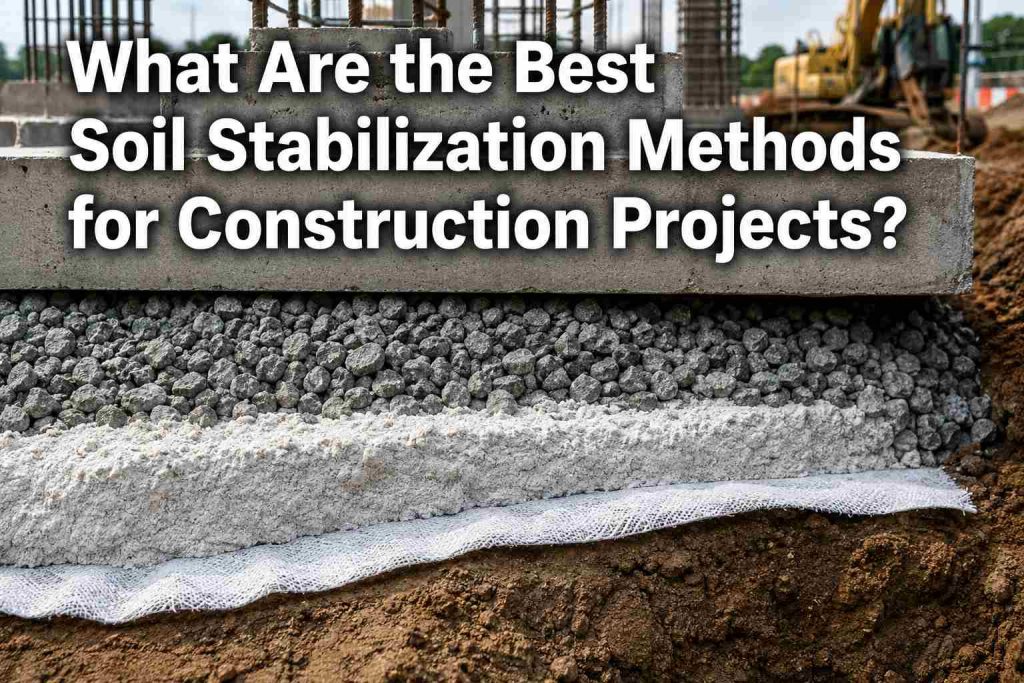
- Mechanical Compaction: This is the simplest way to start. Large machines press the dirt down to remove air pockets. This makes the ground denser and less likely to sink.
- Chemical Additives: Builders often mix lime, cement, or fly ash into the dirt. These materials react with the soil to create a rock-like surface that resists water.
- Geotextiles: These are special fabrics placed under the soil. They help spread the weight of the building across a wider area, preventing the house from sinking into soft spots.
Choosing the right path depends on the specific land clearing results and the type of dirt found at your site. It is always a good idea to work with a team that understands local conditions. For instance, many homeowners rely on Cost Plus Construction for Foundation Work to ensure the job is done right from the very beginning.
Essential Steps in the Process
Every successful construction site follows a specific rhythm. First, the team must test the dirt to see what it needs. Then, they remove any debris or organic matter that might rot and leave holes in the ground.
Once the area is clear, the chosen stabilization materials are spread across the site. Mixing equipment blends these materials deep into the ground. Finally, rollers compact everything into a smooth, hard surface. This creates a reliable concrete slab base that won’t move during the changing seasons. Following these steps carefully is the best way to prevent settlement issues that can be very expensive to fix later.
Signs Your Ground Needs Extra Help
It is much easier to fix the ground before you build than after. However, if you are looking at an existing home, you should keep an eye out for certain red flags. If you notice doors that won’t close or windows that stick, the ground might be shifting.
You can learn more about these top warning signs you need slab foundation repair immediately to stay ahead of any problems. If you catch these issues early, you can often save your home equity and avoid a total collapse. It is also helpful to check official building codes to see what the legal standards are for your local area.
Working with the Right Team
Building a home is a big investment. You want to work with people who treat your project with the care it deserves. We are very proud of our reputation in the community. Our clients often share their experiences, and you can see our GMB trusted reviews to see why so many neighbors trust us with their homes. We believe in transparency and hard work, and our local ratings reflect that dedication to quality.
Whether you are dealing with a probate property that needs a refresh or a brand-new custom home, the foundation is the most important part. Experts like Cost Plus Construction for Foundation Work have the tools and the knowledge to handle the unique challenges of our local environment. Using the right civil engineering principles ensures that every board and nail in your house stays exactly where it belongs.
Protecting Your Long-Term Investment
When you invest in the ground, you are protecting everything else you build on top of it. Good soil work prevents moisture intrusion, which can lead to mold or wood rot. It also ensures that your driveway and walkways stay flat and don’t crack over time.
For more technical details on how soil properties are measured, you can visit the American Society of Civil Engineers for professional resources. Understanding the science behind the dirt can give you peace of mind as your renovation progresses.
Making Your Project Affordable
We know that high-quality construction is a significant financial commitment. To help our clients achieve their goals without unnecessary stress, we offer helpful options to manage costs. You can explore our financing page to find a plan that fits your budget. We believe everyone deserves a safe, stable home, and we are happy to work with you to make that happen.
Frequently Asked Questions
How long does soil stabilization take? The process usually takes a few days, depending on the size of the area and the weather. Once the materials are mixed and compacted, they usually need a short time to “cure” or harden before the next phase of construction begins.
Can I skip this step if the ground looks hard? It is not recommended. Soil can look dry and hard on the surface but may have soft spots or high clay content underneath. A professional site inspection is the only way to be sure the ground can support a heavy building.
Is soil stabilization environmentally friendly? Yes, many modern methods use natural minerals or recycled materials. By strengthening the soil already on your site, you also reduce the need to haul in massive amounts of new dirt, which saves fuel and reduces the impact on the local environment.
Final Thoughts on Building Success
Taking the time to prepare your land is the smartest move any homeowner can make. It provides a “safety net” for your entire house. By choosing the right methods and working with a trusted team, you can rest easy knowing your home is built on a rock-solid base. If you have questions about your specific site or need a hand with your next project, please reach out to our office.
For professional assistance and a free consultation, contact our hotline office at (713) 530-1610. We look forward to helping you build something great!