
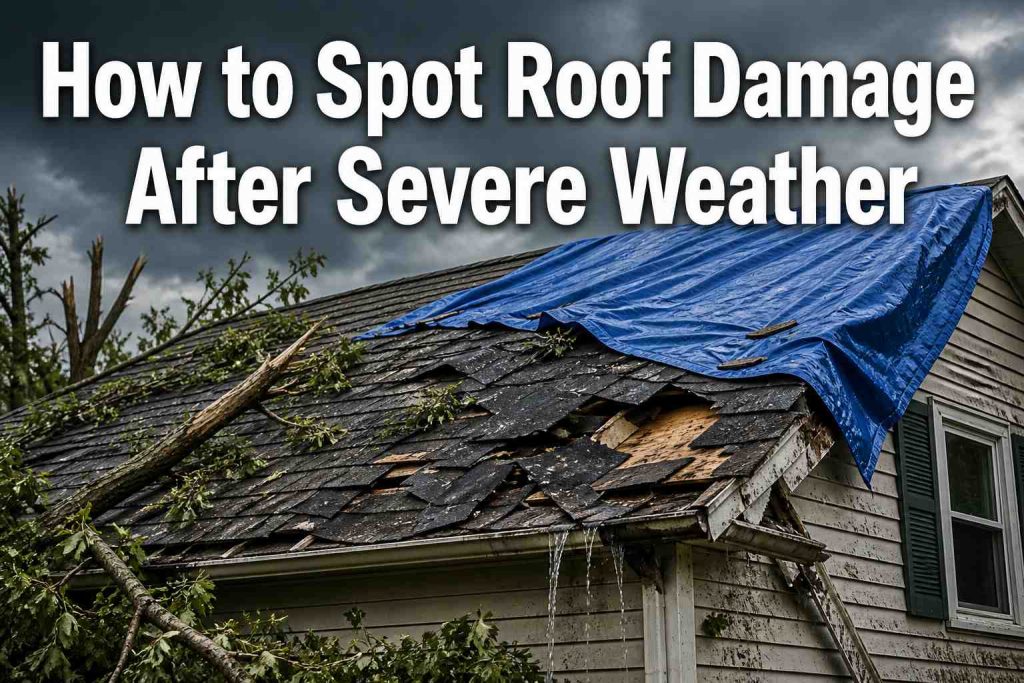
How to Keep Your Home Safe After Heavy Rain
Severe weather can be scary for any homeowner. Once the clouds clear and the sun comes out, your first thought is usually about the safety of your family. However, your next thought should be about the state of your house. High winds and heavy rain can cause a lot of trouble for your house top. It is very important to learn how to spot roof damage after storm conditions pass so you can fix small issues before they turn into big, expensive problems.
Checking your home does not have to be a hard task. If you stay calm and look closely, you can find signs of trouble early. In this guide, we will walk you through everything you need to know to keep your residential property in great shape.
Why You Should Check Your Roof Right Away
You might think that if you do not see a hole in your ceiling, everything is fine. Sadly, that is not always true. Water is very sneaky. It can find tiny cracks in your building materials and hide there for a long time. Over many weeks, that tiny leak can turn into mold or rot. This can hurt the structural integrity of your whole house.
When you take the time to look for problems, you are saving money. Fixing a few loose shingles is much cheaper than replacing the entire roofing system. Plus, your insurance company often wants you to report damage as soon as it happens. Waiting too long might make it harder to get your claim paid.
Safety First During Your Inspection
Before you start looking around, please remember to stay safe. You do not always need to climb up on a ladder to see problems. In fact, you can see most things from the ground using a pair of binoculars. If you do use a ladder, make sure someone is holding it for you. Never walk on a wet or steep surface, as it is very easy to slip. If you feel unsafe at any point, you should call a professional team like Cost Plus Construction for Roofing to help you out.
What to Look for from the Ground
You can find many clues just by walking around your yard. Start by looking at the edges of your house. Check the gutters and downspouts. If you see a lot of sand-like bits in the water, those are granules. These protect your roof from the sun. If they are falling off, your roof is getting old and weak.
Next, look up at the shingles. Are any of them missing? Do you see any that are curled up at the corners? These are big signs that the wind was strong enough to lift the exterior siding or the roof parts. You should also look for “bruises” on the shingles. These look like dark spots where hail might have hit hard.
Checking Your Attic for Leaks
One of the best places to find hidden trouble is inside your attic. Grab a flashlight and head upstairs during the day. Look at the wood beams, which builders call rafters. If you see dark stains or wet spots, you have a leak.
Sometimes, you might not see water, but you might smell it. A musty or earthy smell often means there is dampness hiding in the insulation. Also, look for spots of light coming through the roof. If you can see the sky from inside your attic, you definitely need to spot roof damage after storm events immediately.
Common Signs of Storm Damage
Every storm is different. Some bring heavy wind, while others bring ice or hail. Here are some things you should check for:
- Missing Shingles: High winds can rip these right off, leaving the underlayment exposed to the rain.
- Dented Metal: Check the metal caps on your chimney or the vents on the roof. Hail often leaves dents here first.
- Cracked Flashing: This is the metal strips around chimneys and windows. If it is bent or cracked, water will get in.
- Granule Loss: As mentioned before, look for piles of “sand” at the bottom of your downspouts.
- Falling Branches: Even if the roof looks okay, heavy branches hitting the fascia or the roof can cause cracks you can’t see easily.
Why Professional Help Matters
While looking at your house yourself is a great first step, a pro knows exactly where to look. They understand how a building envelope works to keep water out. They can find small cracks in the sealant that most people miss. If you want to be totally sure your home is safe, you should read more about how to spot hidden roof damage before it gets worse.
A professional will also check the soffit and the vents to make sure air is flowing correctly. This keeps your attic cool and dry, which helps your roof last much longer. According to the Federal Emergency Management Agency, keeping your roof in good repair is the best way to protect your home from natural disasters.
Understanding Your Home’s Structure
Your roof is more than just the top layer you see. It is a complex mix of plywood, waterproof layers, and vents. All these parts work together to protect your foundation and walls. If one part fails, the rest of the house is at risk. This is why builders focus so much on the framing and the way the roof attaches to the rest of the house.
If you have a brick or stucco home, water leaking from the roof can run down inside the walls. This can cause the wood inside to rot without you ever knowing. This is why a quick check after every big storm is the smartest thing a homeowner can do.
How to Handle Insurance Claims
If you do find damage, do not panic. Most homeowners insurance policies cover storm damage. Take plenty of pictures of everything you see. Write down the date of the storm. It is a good idea to check the National Weather Service website to confirm the wind speeds or hail size in your area on that day. This info helps your insurance company process your claim faster.
Our Commitment to Quality
We take great pride in helping our neighbors keep their homes safe. We have worked on many houses in the area, and our customers are always happy with the results. We love seeing the smiles on people’s faces when their home is back to normal. In fact, we are very proud of our GMB trusted reviews where local families share their stories about our hard work and honesty. We believe every construction project should be done with care and the best raw materials.
Tips for Maintaining Your Roof Year-Round
You do not have to wait for a storm to care for your roof. A little bit of work every few months goes a long way. Here is a simple checklist for you:
- Clean the Gutters: Do this at least twice a year. Clogged gutters make water back up under your shingles.
- Trim the Trees: Keep branches at least six feet away from your roof. This stops squirrels from getting on the roof and prevents branches from falling.
- Check the Sealant: Look at the caulk around your vents and pipes. If it looks dry or cracked, add a fresh layer.
- Look for Moss: If you see green moss growing, it can trap moisture against your roof. It is best to clean it off gently.
By following these steps, you make your home stronger against the next big storm. You can also check out the Occupational Safety and Health Administration for tips on how to use ladders and tools safely around your house.
Easy Financing for Your Repairs
We know that a sudden roof repair can be a surprise for your wallet. You should not have to choose between a dry home and your savings. That is why we offer simple financing options to help you get the work done right away. You can pay for your repairs over time with low monthly payments. This way, you can fix your roofing issues now and have peace of mind without the stress of a big upfront bill. We want to make sure every family can afford a safe, sturdy house.
Stay Safe and Dry
Taking care of your home is a big job, but you are not alone. Knowing how to check for issues after a storm is the best way to be a great homeowner. It keeps your family safe and keeps your house looking beautiful for years to come. If you ever feel worried about the state of your roof, remember that experts are always ready to help you.
If you need a professional eye or help with a repair, Cost Plus Construction for Roofing is here for you. We have the tools and the experience to handle any job, big or small. We treat every house like it is our own.
For any questions or to schedule a visit, please reach out to our team. We would love to help you protect your biggest investment. You can call our hotline office at (713) 530-1610 today. Stay safe out there!