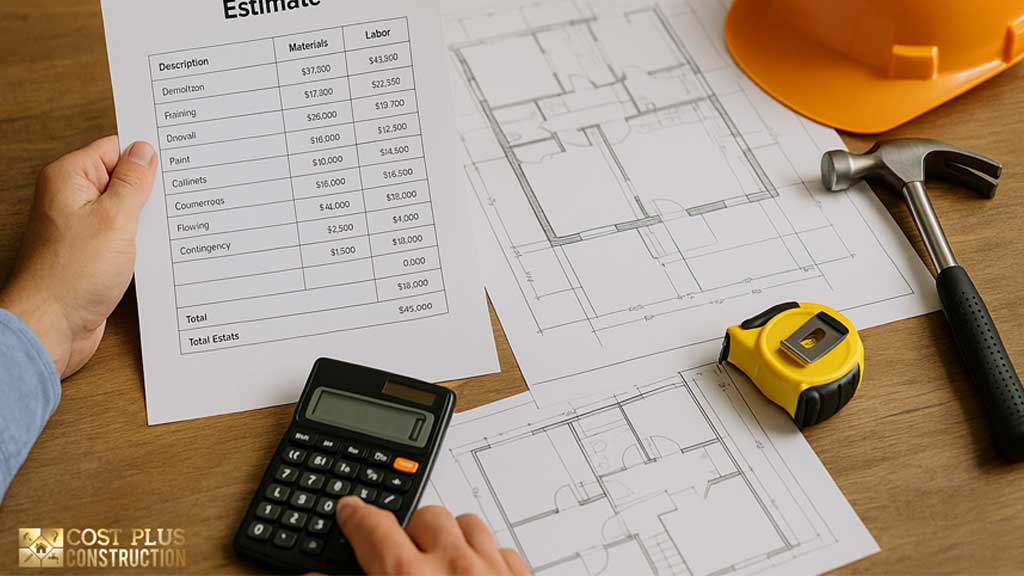
The Real Cost of Home Renovations in 2025: How Transparent Pricing Helps You Avoid Surprises
Home renovation wish lists tend to be long. It starts with something small like wanting brighter kitchen lighting or fixing a squeaky floorboard, and then suddenly there is a growing mental list that includes new cabinets, a larger shower, maybe updated flooring in the living room. The momentum builds slowly. You think, maybe this is the year to finally make it all happen.
Then the quotes come in.
And they do not always line up with what you expected.
Renovation pricing in 2025 feels a bit like trying to read a map that someone folded ten times and spilled coffee on. Materials have changed. Labor availability has shifted. Even permitting requirements look different from just a few years ago. It is no wonder so many homeowners hesitate before starting a project, even when they are excited about the results.
That hesitation often comes down to one thing.
Not knowing what the work will truly cost.
Transparent pricing is supposed to help with that. Some contractors use it consistently, others use it selectively, and a few avoid it entirely. The challenge is figuring out which is which and how to protect your budget before a single tile is pulled off the wall.
This article breaks that down in a way that feels practical and maybe a bit grounding, because the last thing anyone needs is another confusing, overly technical explanation of construction pricing.
Why Renovation Costs Look Different in 2025
Prices have always shifted from year to year, but the last stretch has been unusual. Supply chains have stabilized somewhat, but they have not returned to the old normal. Labor is strong in some trades, stretched thin in others. Materials like lumber, electrical components and tile are still in a cycle of minor ups and downs that affect project totals.
These changes explain why two bids for the same project can look wildly different. One contractor might price materials at last quarter’s rates, while another prices at current inventory levels. Sometimes it is intentional. Sometimes it is guesswork. Either way, it leaves homeowners feeling unsure about which number is real.
And then there are the estimates that seem deliberately vague. These usually sound like a good deal on the surface. Until the actual costs start rolling in and the final bill looks nothing like the first conversation. This is one of the biggest reasons homeowners are becoming more skeptical of traditional pricing.
What Transparent Pricing Really Means
The phrase gets used often, although not always accurately. Transparent pricing should mean something specific. The homeowner sees everything that goes into the cost of the project, from materials to labor to contractor fees. Nothing is tucked away behind generalized line items or open-ended allowances.
A clear breakdown usually includes:
- Material costs
- Labor rates
- Contractor markup or fee
- Expected timeline
- Contingencies for the unexpected
When this kind of information is provided, the homeowner can understand what they are paying for and why. It also makes it easier to compare bids honestly instead of guessing which contractor is hiding an extra percentage somewhere.
This is also why transparent pricing has become especially popular with rental property owners. They cannot afford inaccurate budgets. Renovations hit their bottom line directly. Good property managers, such as those at Red Brick Property Management often encourage owners to work with contractors who itemize costs clearly, mostly because it prevents unpleasant surprises during make-readies and upgrades.
A Realistic Look at Common 2025 Project Costs
Numbers vary by region, but the general patterns are consistent enough to examine.
Kitchen remodels
Cabinets alone can take up a surprising portion of the budget. Homeowners tend to underestimate them. Appliances, lighting, electrical upgrades and flooring follow closely behind. Labor is usually the biggest line item, especially if the layout is changing.
Bathroom upgrades
Material pricing has stabilized a bit, but installation labor remains inconsistent. Skilled installers book up quickly. That affects cost, even if material prices stay steady.
Why Budget Surprises Happen
Surprises usually come from five places.
When details are vague, extra charges appear later.
2. Open-ended allowances.
These look flexible at first but often go above the original figure once selections
happen.
5. Communication gaps.
Transparent pricing significantly reduces these. It will not eliminate surprises completely, but it creates fewer opportunities for confusion.
Why Rental Property Owners Benefit the Most
Homeowners tackling long-term personal projects often handle changes as they come. Investors do not have that luxury. Every extra day affects rental income. Every unexpected cost changes the return on investment.
This is where property managers often step in. A reliable property manager does not just collect rent. They stay aware of market expectations, tenant preferences and long-term upkeep costs. Many work closely with contractors who price projects clearly because vague contracts create problems later.
When companies like Iron Horse Property Management oversee a renovation for a client, they tend to favor contractors with predictable pricing models. It helps them plan turnovers, maintain consistent rental quality and avoid delays that frustrate tenants.
It is not about promoting one contractor over another. It is about making the renovation process less risky and more manageable for the property owner.
How Transparent Pricing Protects Homeowners
For many people, the biggest value is peace of mind. A clear breakdown means fewer assumptions and fewer stressful conversations halfway through the project.
Transparent pricing also makes it easier to:
- Compare bids accurately
- Understand where money is going
- Adjust project scope without starting from scratch
- Plan future phases of work
- Hold contractors accountable
It turns the renovation into a tangible process instead of a guessing game.
Questions To Ask Any Contractor Before You Sign
Even with transparent pricing, good due diligence still matters. Here are questions homeowners should keep close.
- Will you provide an itemized breakdown of materials and labor
- How do you estimate potential changes during the project
- What happens if material prices shift\
- How do you communicate delays or unexpected issues
- What is included in your base pricing
- Which parts of the project can change the final cost
The goal is not to interrogate the contractor. It is to ensure that expectations match reality before the work begins.
A Practical Way To Approach Your 2025 Renovation
There is no perfect formula for planning a renovation. But clarity helps. Transparency helps. Knowing who is doing the work and how they calculate the cost helps even more.
Many homeowners feel a mix of excitement and uncertainty when starting a project. That is normal. Some even pause halfway through planning because they worry about what they are not seeing. Having a contractor who is upfront about pricing eases that tension. It gives homeowners control, or at least something close to it.
That is the environment we try to create every time we take on a project. Honesty, structure, and clear communication. Renovations will always have moving parts. They do not have to feel mysterious.
If you are planning a project and want a clearer sense of what it will truly cost, we would be glad to talk through it with you. Transparency is not a marketing term for us. It is the foundation of how we work.