
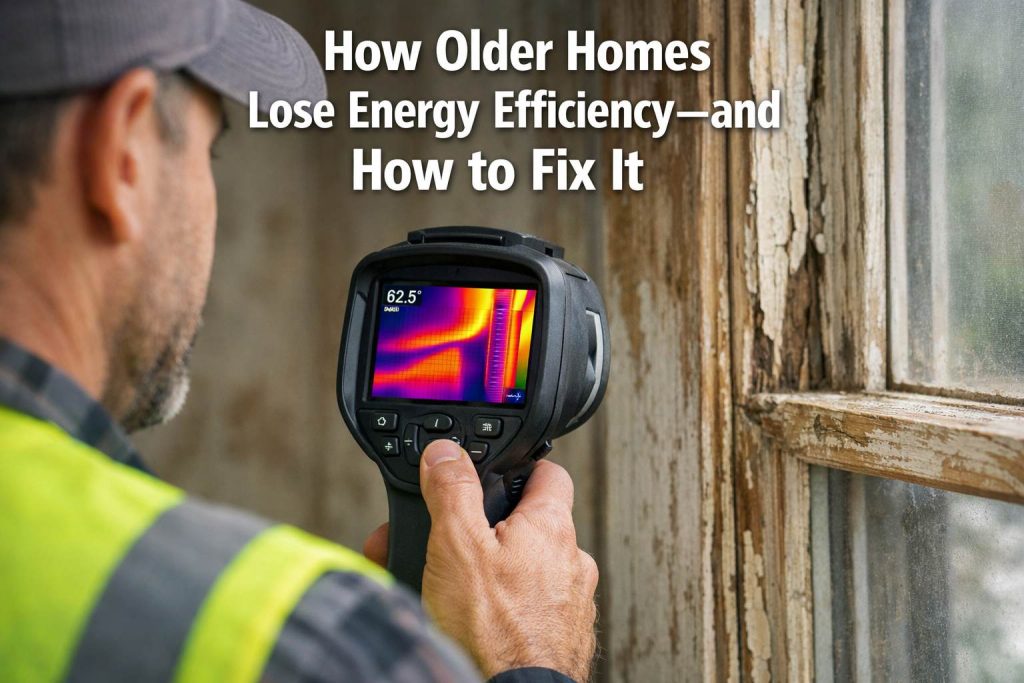
Making Your Classic Home Feel Like New
Owning an older home comes with a lot of charm. You might have beautiful wooden floors, unique character, and a history that new builds just cannot match. However, many owners of vintage houses face a common problem: high utility bills. Older houses were built in a different time. Back then, energy was cheap, and building codes were much looser. Because of this, heat often escapes during the winter, and cool air leaks out during the long, hot summers.
If you want to stay comfortable without spending a fortune, you need to know where your house is failing. Improving the building envelope of your property is the first step toward a more sustainable lifestyle. By making a few smart changes, you can turn a drafty old house into a cozy, modern sanctuary. This guide will walk you through the most common issues and how to solve them.
Why Older Homes Struggle with Energy
The main reason older structures lose energy is that they lack modern insulation and tight sealing. In the past, builders often left wall cavities empty. They also used materials that breathe more than today’s structural components. While this was good for preventing rot, it is terrible for keeping your home at a steady temperature.
Furthermore, houses naturally settle over time. As the foundation shifts, small gaps open up around your door frames and windows. These tiny cracks might not look like much, but they act like a vacuum, sucking the expensive conditioned air right out of your rooms.
If you are worried about the state of your property, working with a reliable team like texas construction plus can help you identify these hidden gaps. They understand how houses in our area age and what it takes to bring them up to modern standards.
Common Spots Where Energy Escapes
Before you start buying materials, you need to know where to look. Most energy loss happens in places you might not see every day. Here are the most frequent culprits:
- The Attic: Since heat rises, a poorly insulated attic is the biggest source of energy loss. If you can see the floor joists in your attic, you probably do not have enough fiberglass or cellulose material up there.
- Windows and Doors: Old single-pane glass offers almost zero protection against the weather. Additionally, worn-out weatherstripping allows wind to blow right through the edges of your doors.
- Electrical Outlets: It sounds strange, but air often leaks through the holes cut for outlets and light switches on outside walls.
- Basements and Crawl Spaces: If your subfloor is not protected, cold air from the ground can make your floors feel freezing and force your heater to work twice as hard.
To learn more about maintaining your property, you can check out various home improvement tips that cover everything from minor fixes to major updates.
Updating Your Windows and Doors
Windows are often the most beautiful part of an old home, but they are also the least efficient. Old glass is very thin. It allows thermal transfer, which means the heat from the sun enters your home in the summer, and your indoor warmth escapes in the winter.
You have two choices here. First, you can replace them with double-pane windows. These have a layer of gas between the glass to block heat. Second, if you want to keep your original windows, you can add storm windows or high-quality thick curtains. Both options help create a buffer zone.
Do not forget the doors. Replacing an old wooden door with a modern insulated core door can make a massive difference. According to the U.S. Department of Energy, sealing leaks around windows and doors can save you up to 20% on your heating and cooling costs.
The Power of Better Insulation
Adding insulation is the most cost-effective way to lower your bills. Most people think about the walls, but the attic is actually more important. You want to reach a high R-value, which is a measure of how well a material resists heat flow.
When you upgrade your drywall or do a home remodel, that is the perfect time to look inside the walls. You can use spray foam or blown-in insulation to fill those empty spaces. This doesn’t just help with the temperature; it also makes your home much quieter by blocking outside noise.
Sealing the Gaps
Air sealing is just as important as insulation. Think of insulation like a wool sweater and air sealing like a windbreaker. You need both to stay warm. You should use caulk to seal gaps around window frames and expanding foam for larger holes around pipes or cables that enter the house.
Check your ductwork too. If your AC ducts are leaking in the attic, you are paying to cool a space where nobody lives. Using special foil tape to seal these joints ensures that the air actually reaches your living room. The Environmental Protection Agency provides great guides on how to properly seal a home to improve air quality and efficiency.
Upgrading Your HVAC System
If your house is more than 15 years old, your HVAC system is likely outdated. Modern units are far more efficient than older ones. A new system uses less electricity to provide the same amount of comfort.
When you install a new unit, make sure it is the right size for your square footage. A system that is too big will turn on and off too often, while one that is too small will run constantly. Adding a programmable thermostat is another easy fix. This allows you to lower the heat or AC when you are at work, which saves a lot of money over time.
Why Quality Work Matters
Fixing an old home requires a delicate touch. You want to save energy, but you also want to protect the house’s structure. This is why it is so important to hire professionals who care about the details. We take great pride in our reputation for excellence. You can see what our neighbors think by viewing our GMB trusted reviews. We are so proud of the feedback we get from local families who now enjoy more comfortable, affordable homes.
If you are ready to start your journey toward a better home, the team at texas construction plus is here to help. From small upgrades to full renovations, we have the experience to do the job right.
Smart Steps for Every Homeowner
Improving your home does not have to happen all at once. You can take it one step at a time. Here is a simple plan:
- Conduct an Audit: Walk through your home on a windy day. Feel for drafts around outlets, baseboards, and windows.
- Start Small: Replace old light bulbs with LED lighting and add weatherstripping to your front door.
- Check the Attic: Look at your insulation levels and add more if needed.
- Consult a Pro: If your bills stay high, it might be time for a professional energy audit to find hidden problems.
By following these steps, you protect your investment and make your daily life much more pleasant. According to ENERGY STAR, focusing on the attic and basement first usually provides the biggest return on your investment.
Frequently Asked Questions
How much can I save by fixing air leaks? Most homeowners see a savings of 10% to 20% on their monthly bills just by sealing gaps and adding attic insulation.
Is it better to repair or replace old windows? If the frames are in good shape, repairing them and adding storm windows is cheaper. However, full replacement offers the best energy performance.
What is the best type of insulation for an old house? Blown-in cellulose is often best for old walls because it can be installed through small holes without tearing down your plaster.
Better Living for Years to Come
Making an older home energy efficient is one of the best things you can do as a homeowner. It saves you money every month, increases the value of your property, and helps the environment. While the house may have been built decades ago, it does not have to feel like it. With the right building materials and a bit of planning, you can enjoy the best of both worlds: classic style and modern comfort.
If you have questions about how to improve your home’s construction or need help with a project, we are always here to chat. You can reach our hotline office at (713) 530-1610. Let’s work together to make your home the best it can be.