
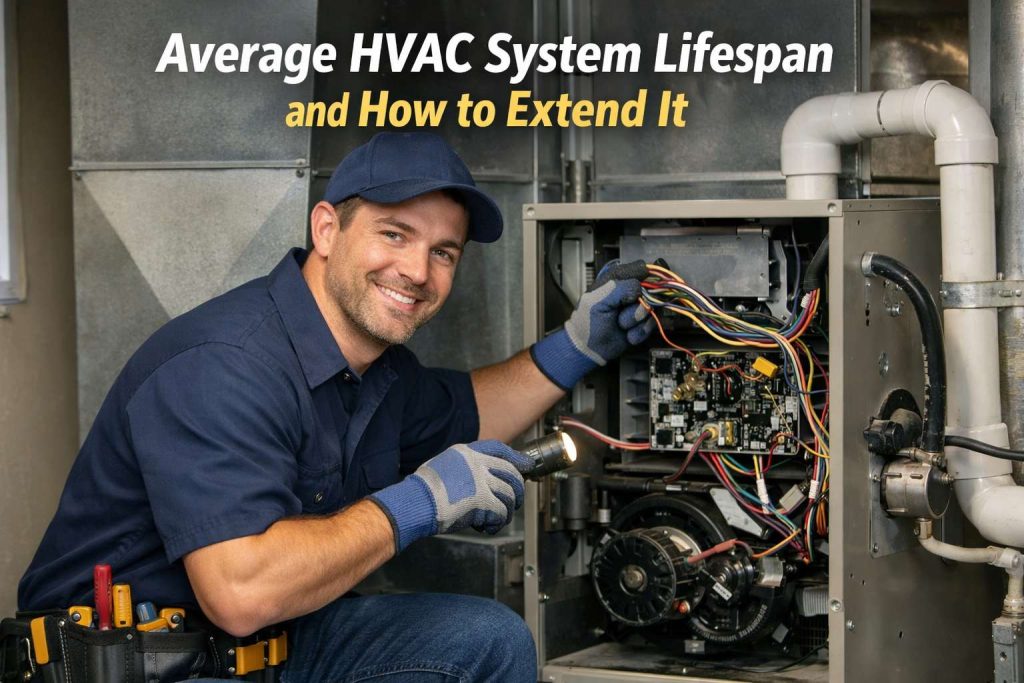
Understanding Your HVAC System’s Lifespan
Keeping your home comfortable is a top priority, especially when the weather outside gets extreme. Your heating and cooling system is the heart of your home, working hard day and night to keep you cool in the summer and warm in the winter. However, like any major appliance, these systems do not last forever. Knowing the average lifespan of your unit and how to care for it can save you thousands of dollars in the long run. In this guide, we will look at how long these systems usually last and what you can do to make yours stay in great shape for as long as possible.
What is the Normal Lifespan of an HVAC Unit?
On average, a standard central air system lasts between 15 and 25 years. However, this number can change based on several factors. For instance, an air conditioner might last about 15 years, while a well-maintained furnace could keep running for over 20 years. If you live in a coastal area with salty air or a place with extreme humidity, your system might wear out a bit faster.
When you invest in home construction, the quality of the initial install matters most. A system that is the wrong size for a house will work too hard and burn out early. This is why many homeowners in the area reach out to cost plus Houston to ensure their home systems are handled with care. If you want to check official standards for appliance efficiency, you can visit the Department of Energy for more details on modern cooling standards.
Why Maintenance is the Key to Longevity
You wouldn’t drive a car for years without changing the oil, and your heater and AC are no different. Regular check-ups are the best way to catch small problems before they become big, expensive disasters. When a professional looks at your unit, they check the electrical wiring, clean the coils, and make sure the refrigerant levels are correct.
Furthermore, keeping your system clean reduces the strain on the motor. When the motor doesn’t have to fight against dirt and grime, it runs cooler and lasts much longer. Regular service also helps with your indoor air quality, making your home a healthier place to breathe.
Simple Tips to Help Your System Last Longer
There are many small things you can do as a homeowner to help your system. You do not need to be an expert to take these steps. By following a few simple rules, you can add years to the life of your equipment.
- Change your filters regularly: This is the most important job. A dirty filter blocks airflow and makes the system work twice as hard. Check them once a month.
- Keep the outdoor unit clear: Make sure grass, leaves, and bushes are at least two feet away from your outdoor AC unit. This allows it to “breathe” properly.
- Use a programmable thermostat: Setting your home to a slightly higher temperature when you are away reduces the total hours your system runs each day.
- Keep your vents open: Closing vents in unused rooms actually creates pressure issues that can damage your ductwork and motor.
Improving Your Home’s Energy Efficiency
Another way to protect your HVAC system is to make sure your home holds onto its treated air. If your house is “leaky,” your AC has to run constantly to keep up. Improving your home insulation in the attic is a great place to start. Additionally, checking the weather stripping around your doors and windows can keep the heat out.
When your home is well-sealed, the HVAC system can reach the desired temperature quickly and then rest. This “rest time” is vital for preventing wear and tear. If you are planning a remodeling project, consider upgrading to energy-efficient windows to further reduce the load on your cooling system. For those looking for more tips on home care, feel free to browse our blog for helpful advice.
Recognizing the Signs of a Failing System
It is better to know your system is failing before it breaks down in the middle of a heatwave. Being proactive allows you to plan for a replacement rather than rushing into an emergency purchase.
- Strange Noises: If you hear banging, screeching, or grinding, something is wrong with the internal parts.
- Rising Energy Bills: If your utility costs are going up but your habits haven’t changed, your system is likely losing its efficiency.
- Frequent Repairs: If you have called a technician more than twice in one year, it might be time to stop “patching” the problem.
- Uneven Temperatures: If one room is freezing and another is hot, your system is struggling to move air correctly.
If you notice these signs, it is a good idea to talk to a professional at cost plus Houston to see if a repair or a full HVAC installation is the better choice for your budget.
The Importance of Professional Installation
Sometimes, no matter how well you care for a unit, it eventually needs to be replaced. When that time comes, the quality of the work is just as important as the brand of the machine. Proper ductwork design ensures that air flows freely to every corner of your home. If the ducts are too small or have leaks, even the most expensive AC unit will fail prematurely.
During residential construction, builders must follow strict codes to ensure safety. You can learn more about these safety standards at the International Code Council. Working with a trusted team ensures that your circuit breakers and power supply are ready to handle the load of a new, high-efficiency system.
Why Local Reviews Matter
We take great pride in the work we do for our neighbors. Building trust in the community is our favorite part of the job. We are very proud of our reputation and the kind words our clients share about our handyman services and repair work. You can see what others are saying by visiting our Google Business Profile and Trusted Reviews. Hearing from real homeowners helps you feel confident that you are choosing a team that cares about your comfort and your home’s value.
Frequently Asked Questions
How often should I have my HVAC serviced? It is best to have a professional look at your system twice a year—once in the spring for the AC and once in the fall for the heater. This ensures you are ready for the upcoming season.
Is it worth repairing a 15-year-old unit? Generally, if a repair costs more than half the price of a new system and the unit is over 15 years old, replacement is usually the smarter financial move. New units are much more energy-efficient.
Does a bigger AC unit work better? Actually, no. An oversized unit will turn on and off too quickly. This is called “short-cycling,” and it prevents the system from removing humidity, leaving your home feeling damp and uncomfortable.
Final Thoughts on Home Comfort
Taking care of your HVAC system is a big part of being a responsible homeowner. By staying on top of small tasks like changing filters and scheduling annual cleanings, you can enjoy a cool home for many years to reach. Remember that your home is a whole system; things like roofing quality and wall insulation play a huge part in how hard your AC has to work.
If you ever feel overwhelmed or notice your system acting up, don’t wait for it to stop working completely. Taking action early is the best way to protect your investment and keep your family happy. Cost Plus Construction is here to help with your home needs. If you have questions or need a hand with repairs, please reach out to our office hotline at (713) 530-1610.