
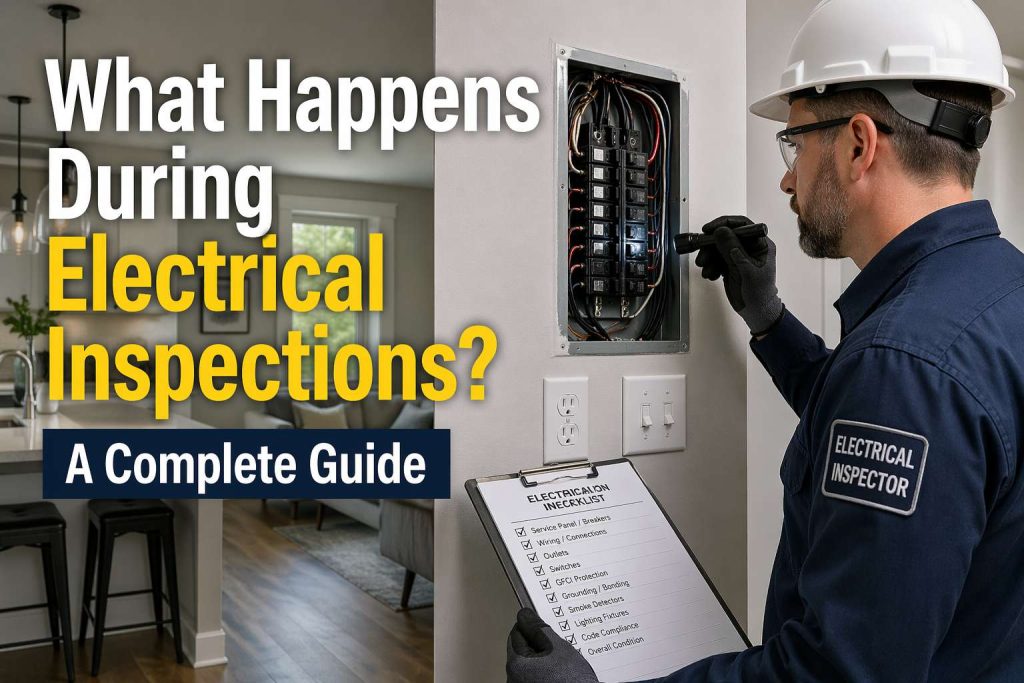
Understanding Electrical Inspections
Electrical systems are the hidden heart of every building. They keep the lights on, run our appliances, and ensure our modern lives stay on track. However, because most of the wires are tucked behind walls, it is easy to forget about them until something goes wrong. That is why a professional review is so important.
This electrical inspections guide is designed to help you understand exactly what happens when an expert checks your power system. By knowing what to expect, you can keep your property safe and efficient for years to come.
Why Safety Checks Matter for Your Property
When you think about home construction, you might focus on the paint or the flooring. But the wiring is what truly makes a house functional. Over time, wires can wear out or become outdated. An inspection looks for these hidden issues before they turn into big problems. It is not just about following rules; it is about protecting your family and your investment.
A thorough check ensures that your system can handle the load of modern gadgets. Many older homes were not built for the number of devices we use today. If your system is working too hard, it can lead to heat buildup. Regular checkups prevent this stress and give you peace of mind.
What Do Experts Look For First?
The process usually begins at the main service panel. This is the control center for all the electricity in your home. An inspector will check to see if the breakers are the right size and if they are labeled correctly. They also look for any signs of corrosion or overheating inside the box.
Beyond the panel, they check the grounding system. This is a safety feature that gives excess electricity a safe path to the earth. Without proper grounding, a power surge could damage your electronics or cause a shock. The inspector will make sure the ground wires are tight and properly connected to a metal rod outside.
Common Warning Signs in the Home
Many homeowners do not realize their system is struggling until they see specific signals. If you notice flickering lights or warm outlet covers, it is time to call a professional. You should also watch out for 7 dangerous electrical warning signs your home is hiding to stay ahead of potential hazards.
Other signs include:
- Breakers that trip frequently without a clear reason.
- A burning smell near appliances or wall switches.
- Sparking when you plug in a cord.
- Outlets that feel loose or look discolored.
Checking the Wiring and Outlets
Next, the inspector moves through every room. They use special tools to test the outlets and switches. One of the most important things they look for is the presence of GFCI outlets. These are the plugs with “test” and “reset” buttons, usually found in kitchens and bathrooms. They are designed to shut off power instantly if they get wet, which prevents serious injury.
They also check for loose connections. In residential building, wires can sometimes shift or pull away from their terminals. This creates a gap that electricity has to jump across, which generates a lot of heat. Ensuring everything is tight and secure is a top priority during the visit.
Evaluating the Lighting and Fixtures
Light fixtures are another key part of the process. The inspector checks to see if you are using the right wattage bulbs for your lamps and ceiling fans. Using a bulb that is too powerful can melt the socket or the surrounding insulation. They also look at how the fixtures are mounted to ensure they are stable and not putting weight on the wires.
If you have recessed lighting, the inspector will check if they are rated for contact with insulation. Some older lights get very hot and need space around them to breathe. Modern versions are often safer, but it is always good to have an expert verify that your home renovation projects meet current standards.
The Importance of Proper Labeling
It might seem like a small detail, but a clearly labeled circuit breaker box is vital for safety. In an emergency, you need to know exactly which switch kills the power to a specific room. During the inspection, the professional will often verify that the labels match the actual power flow in the house. This makes future repairs much easier and faster.
Looking at Outdoor Electrical Needs
Safety does not stop at the front door. The inspector will also step outside to look at your exterior lights, pool pumps, and outdoor outlets. These items face harsh weather, so they need extra protection. All outdoor plugs should have weatherproof covers to keep rain and dirt away from the metal parts.
They will also check the overhead lines coming from the street. If tree branches are rubbing against the wires, it can cause a fire or a power outage. Keeping these lines clear is a shared responsibility between the homeowner and the utility company.
Why Professional Help is Best
While some people enjoy DIY projects, electricity is not the place to take risks. Hiring an expert ensures that nothing is missed. You can trust Cost Plus Construction for Electrical Work to handle these complex tasks. They have the right tools to find “hidden” heat behind walls that you cannot see with the naked eye.
Furthermore, a professional knows the local building codes. These rules change every few years to reflect new safety discoveries. An inspector will tell you if your home is “grandfathered in” or if you need to make updates to stay legal and safe. You can find more details on national safety standards through the National Fire Protection Association.
Our Commitment to the Community
We take great pride in the work we do for our neighbors. Our team is dedicated to providing honest, clear, and helpful service every time we visit a home. We are very proud of our local reputation and the feedback we receive from the families we help. You can see what people are saying about our work by visiting our GMB trusted reviews. These reviews reflect our passion for keeping local homes safe and functional.
Modern Upgrades for Better Efficiency
During an electrical inspections guide session, you might learn about ways to save money on your power bill. Upgrading to LED bulbs or installing smart home thermostats can make a huge difference. The inspector can point out where you are losing energy and suggest better alternatives.
If your house still uses an old fuse box, they will likely suggest switching to a modern breaker system. Breakers are much more reliable and easier to reset than replacing fuses. Plus, many insurance companies prefer modern panels and may even lower your rates if you upgrade.
Understanding the Final Report
After the walkthrough, you will receive a detailed report. This paper lists everything the inspector looked at and what they found. It will categorize issues as “immediate safety risks,” “suggested improvements,” or “items in good condition.”
Don’t feel overwhelmed if the list is long. Most items are usually small fixes that can be handled quickly. The goal is to give you a roadmap for your property maintenance. For general information on consumer safety and home systems, you can also check resources from the Electrical Safety Foundation.
Helping You Manage Project Costs
We know that some home repairs can be unexpected. Whether you need a full panel upgrade or a complete rewiring of an older home, we want to make sure the process is stress-free. To help our clients stay safe without breaking the bank, we offer various financing options. This allows you to get the necessary safety work done now and pay for it over time with a plan that fits your budget.
Summary of the Inspection Journey
To recap, a professional electrical review is a smart move for any property owner. It keeps your home running smoothly and protects the people inside. By checking the panel, the outlets, and the wiring, an expert can catch small issues before they become expensive repairs.
If you are planning a home construction project or just want to verify your current safety levels, calling a pro is the best first step. You can rely on Cost Plus Construction for Electrical Work for all your power needs and safety checks. We are here to answer your questions and provide the high-quality service you deserve.
For more information or to schedule your own walkthrough, please reach out to our team. We look forward to helping you secure your home for the future.
Office Hotline: (713) 530-1610